Synopsis
Navigating the rich tapestry of Indian matrimonial traditions requires a deep respect for regional nuances, making the choice between hindu wedding catering and marwadi wedding catering a defining factor for the celebration. In the high-status social circles of Delhi NCR, the ability to architect a menu that honors heritage while embracing a “Global Soul” is what separates a standard banquet from a landmark event. This blog explores how professional marriage food catering acts as an “Invisible Engine,” ensuring that every guest is “wooed” by the authenticity of the flavors and the precision of 5-star service. We delve into the specific requirements of catering marriage functions, where the purity of ingredients and traditional cooking methods are paramount. For families seeking the pinnacle of refinement, the design of wedding catering menus must balance the heavy, opulent flavors of Marwar with the diverse regional specialties of a broader Hindu feast. We also examine the evolution of foods in catering, showcasing how age-old recipes are being reinterpreted through artisanal presentation and modern culinary techniques. From the initial Roka to the grand reception, this guide provides a roadmap for hosting a celebration that resonates with spiritual integrity and royal grandeur. Discover how elite hospitality can elevate your traditional union into a social masterpiece that will be talked about for generations to come.
Table Of Content
- The Spiritual Foundation of Traditional Matrimonial Feasts
- Defining Hindu Wedding Catering: A Tapestry of Flavors
- The Opulence of Marwadi Wedding Catering Excellence
- Architecting Custom Wedding Catering Menus for the Elite
- Innovations in Traditional Marriage Food Catering
- The Logistics and Integrity of Modern Catering Marriage
- Saffron Catering Group: The Custodians of Regional Heritage
- Conclusion: Celebrating the Global Soul through Tradition
The Spiritual Foundation of Traditional Matrimonial Feasts
The foundation of any landmark celebration lies in its adherence to cultural values, and hindu wedding catering is a profound expression of this heritage. Food is considered a divine offering, necessitating a level of purity and devotion in the kitchen that matches the sanctity of the Vedic rituals being performed. In a traditional setting, the menu often revolves around regional specialties that have been perfected over centuries, ensuring a sense of nostalgia and comfort for every attendee. However, the modern “Global Soul” approach allows these classic dishes to be presented with a contemporary flair that appeals to younger, well-traveled guests without losing their spiritual essence. By prioritizing both religious integrity and aesthetic beauty, hosts can ensure that the dining experience is a true reflection of the wedding’s sacred nature. .
Defining Hindu Wedding Catering: A Tapestry of Flavors
When exploring the specifics of marwadi wedding catering, one enters a world of unparalleled opulence and slow-cooked perfection. Marwadi cuisine is famous for its rich use of desi ghee, yogurt, and artisanal spices, creating a flavor profile that is both robust and royal. A premier Marwadi feast must include legendary items like Dal Baati Churma, Gatte ki Sabzi, and Ker Sangri, all prepared with the secret techniques of heritage “Maharaj” chefs. In the realm of marwadi wedding catering, the hospitality is an extension of the family’s prestige, demanding a high-velocity service that is both generous and attentive. Every plate served is a testament to the desert kingdom’s history of grand banquets and legendary social warmth. .
The Opulence of Marwadi Wedding Catering Excellence
The transition from a simple family gathering to grand marriage food catering requires an “Invisible Engine” of logistical excellence to succeed. Managing the flow of thousands of guests while maintaining the heat and freshness of artisanal breads and delicate curries is a feat of modern culinary engineering. Expert teams now utilize high-tech mobile kitchens and specialized heat-retention systems to ensure that the quality of the meal is consistent from the first guest to the last. This level of precision is what separates amateur cooks from professional firms that specialize in high-velocity, high-status wedding environments. When the food is served with grace and efficiency, it allows the family to focus entirely on the rituals and the joy of the union. .
Architecting Custom Wedding Catering Menus for the Elite
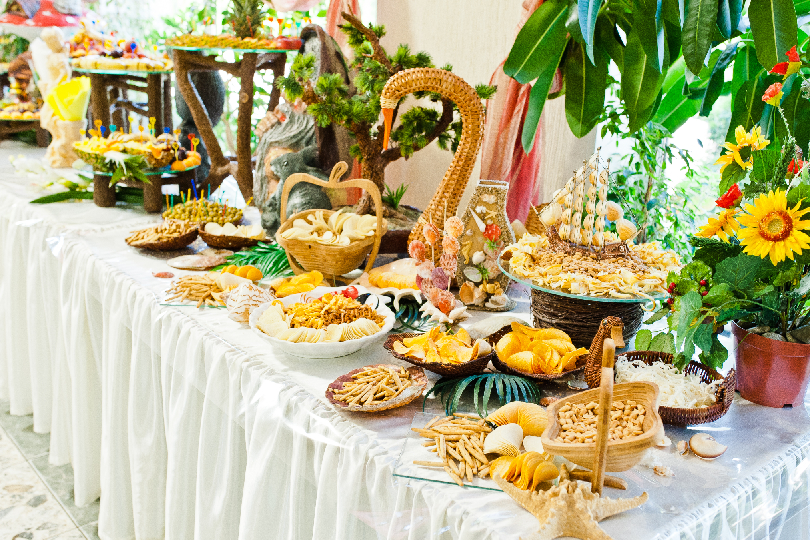
The process of catering marriage functions involves more than just cooking; it requires the creation of a total sensory environment that reflects the host’s social status. Professional catering marriage providers offer a comprehensive hospitality ecosystem that includes themed décor for food stalls and specialized uniforms for the service staff. We are seeing a move toward “experiential zones” where guests can watch their food being prepared fresh over traditional charcoal fires or stone-ground mills. Whether it is a live Jalebi counter or a hand-pounded spice station, these interactive elements add a layer of theater that enhances the overall celebration. It is this commitment to the guest experience that defines 5-star service in the modern matrimonial era. .
Innovations in Traditional Marriage Food Catering
The architectural design of wedding catering menus has become increasingly complex, necessitating a balance between traditional expectations and global trends. Modern wedding catering menus must be inclusive, offering a wide range of options for guests with diverse dietary laws, including “Satvik” and “Jain” preparations. By incorporating “Global Soul” elements—such as serving traditional sweets as nitrogen-cooled parfaits or presenting appetizers in “Miniature Gastronomy” formats—the menu remains exciting and relevant. This innovation ensures that even the most ancient recipes feel fresh and prestigious in a contemporary social setting. A well-designed menu acts as a culinary signature, reflecting the host’s sophisticated global outlook and respect for heritage. .
The Logistics and Integrity of Modern Catering Marriage
The diversity of foods in catering has expanded significantly, blending local regional flavors with international culinary techniques to create a “fusion” that is both exciting and familiar. While the core of a Hindu or Marwadi wedding remains vegetarian, the interpretation of these foods in catering has become much more sophisticated. We now see artisanal grains and rare seasonal vegetables being used to elevate simple comfort food into a gourmet masterpiece. High-end providers prioritize the provenance of their ingredients, sourcing pure saffron, cold-pressed oils, and hand-picked spices to ensure a robust flavor profile. This commitment to quality is what “woos” every guest and solidifies the event as a landmark of culinary excellence. .
Saffron Catering Group: The Custodians of Regional Heritage
The SAFFRON CATERING Group has established itself as the definitive leader in the field of regional matrimonial hospitality, offering an unparalleled “Global Soul” experience. Our brand is an “Invisible Engine” of perfection, specially equipped to handle the high-velocity demands of grand hindu wedding catering and marwadi wedding catering with 5-star precision. We take pride in architecting marriage food catering that is both culinarily breathtaking and culturally resonant, ensuring that your event is a landmark of prestige. Our USPs include our deep knowledge of traditional Maharaj cooking methods and our ability to source the finest artisanal ingredients. Saffron Catering is where ancient culinary wisdom meets world-class luxury and social grace. .
Conclusion: Celebrating the Global Soul through Tradition
Our service portfolio covers the entire spectrum of matrimonial needs, from grand multi-day wedding feasts to intimate social mixers and high-end wedding catering menus. The SAFFRON CATERING Group prides itself on its meticulous attention to detail, ensuring that our presence at your catering marriage function enhances your family’s brand of hospitality. Whether you are hosting a traditional celebration in Jaipur or a modern, high-status wedding in Delhi NCR, our team is dedicated to excellence and professional integrity. We invite you to experience the Saffron standard, where we treat every ingredient with reverence and every guest as royalty. Let Saffron help you architect a celebration that is as rich in culture as it is in flavor and social prestige. .
Frequently Asked Questions
What are the main differences between hindu wedding catering and marwadi wedding catering?
While hindu wedding catering is a broad category that covers various regional Indian cuisines, marwadi wedding catering is specifically focused on the rich, opulent flavors of Rajasthan. Hindu weddings may feature a mix of North and South Indian dishes, whereas a Marwadi feast is characterized by the heavy use of pure desi ghee, yogurt, and slow-cooking techniques like “Dum.” Marwadi menus are strictly vegetarian and often feature iconic dishes like Ker Sangri and Gatte ki Sabzi that are not common in other Hindu traditions. Professional providers architect both styles with a “Global Soul” touch, ensuring 5-star presentation and high-velocity service. Ultimately, both styles prioritize spiritual purity and a royal guest experience.
How can marriage food catering maintain the authenticity of age-old recipes at scale?
Maintaining authenticity in marriage food catering requires an “Invisible Engine” of logistics and a team of specialized “Maharaj” or heritage chefs. These experts use traditional cooking vessels and hand-pounded spices to ensure the flavor profile remains true to its roots even when cooking for thousands. Professional firms utilize high-tech mobile kitchens that allow for on-site slow-cooking, ensuring the food is fresh and aromatic when served. They also maintain strict quality control over ingredients like pure saffron and cold-pressed oils to prevent any dilution of taste. This balance of traditional wisdom and modern logistical precision is what ensures a prestigious and authentic dining experience for every guest.
What should be included in modern wedding catering menus for a high-status union?
Modern wedding catering menus should be architected to offer a balance between nostalgic regional comfort and “Global Soul” innovation. This includes a robust selection of “Miniature Gastronomy” appetizers that allow guests to sample various flavors easily while networking. You should also include specialized sections for “Satvik” and “Jain” preparations to ensure dietary inclusivity for conservative elders. Interactive live stations, such as a traditional charcoal grill or a nitrogen-chilled dessert counter, add a layer of theater that “woos” the guests. Finally, ensure the menu includes a diverse range of foods in catering, from heritage grains to exotic seasonal vegetables, to reflect a sophisticated global outlook.
Why is the process of catering marriage functions so critical to the host's social status?
In Indian culture, hospitality is a primary measure of a family’s prestige, making the success of catering marriage events a direct reflection of their social standing. A 5-star culinary experience signals to the community that the host values quality, tradition, and the comfort of their guests. Professional catering provides an “Invisible Engine” of service that ensures the event runs smoothly, allowing the host to remain a present and gracious figurehead. High-end presentation and artisanal food quality serve as a “woofer” effect that captures the attention and respect of the guest list. Ultimately, investing in elite hospitality secures the family’s legacy as a provider of world-class standards and cultural leadership.
What variety of foods in catering are currently trending for traditional weddings?
Current trends in foods in catering involve a move toward “hyper-local” luxury, where rare regional ingredients are showcased through 5-star presentation. There is a high demand for heritage grains like ragi and bajra being used in sophisticated artisanal breads and salads. We are also seeing traditional sweets like Malpua and Rabri being reinterpreted as gourmet parfaits or miniature bites for easier consumption. Interactive “fusion” stations, such as a Rajasthani taco bar or a Saffron-infused risotto counter, are providing a “Global Soul” touch to traditional celebrations. These diverse offerings ensure that the menu remains exciting for younger guests while honoring the preferences of the older generation.